Hydrochloric Acid Costs: Existing Trends & Industry Analysis
Hydrochloric Acid Costs: Existing Trends & Industry Analysis
Blog Article
The muriatic acid cost market is presently experiencing considerable change driven by a complex mix of influences. Global distribution network issues, growing component expenses, particularly concerning associated gas – a key source – are largely responsible for the upward pressure. Consumption persists relatively strong across multiple applications, including metal manufacturing, chemical synthesis, and water purification. Regional differences in costs persist due to transportation costs and specific supply and demand. Researchers forecast sustained price fluctuations in the short term while extended equilibrium is contingent upon addressing supply chain bottlenecks and global economic conditions.
HCl Price Per US Ton: A Comprehensive Guide
Understanding the fluctuating rate of HCl per US ton is essential for businesses that utilize it. Numerous factors impact this value, such as raw material expenses , production overheads, shipping fees , and current sales conditions . Typically , the cost can vary significantly, from approximately $low_price_range to $high_price_range per ton , relying on grade , region, and supplier . This guide will discuss these variables in more detail , supplying perspective into forecasting future HCl valuation patterns.
Hydrochloric Acid Bulk Price: Factors Influencing Costs
The recent price of bulk hydrochloric acid is significantly influenced by a variety of elements . Input availability , particularly brine, plays a major role , as it’s the main material for its creation. Energy costs , vital for the chlorine-alkali method, substantially shape HCl charges. Logistics costs, which depend on fuel costs and distribution system capacity , also contribute to the aggregate outlay . Finally, commercial need from diverse industries like chemical manufacturing and edible handling can create cost fluctuations .
Here's a summary of influencing factors:
- Input Value
- Energy Rates
- Logistics Fees
- Commercial Need
Understanding Hydrochloric Acid Bulk Pricing Strategies
Navigating the complex landscape of hydrochloric acid bulk pricing can be a keen understanding of several elements. The price of large-volume hydrochloric purchases isn't simply a single number; it fluctuates based on stock, usage, shipping expenses, and grade specifications. Often, suppliers offer varying pricing structures, so greater amounts unlock lower each prices. Moreover, agreed agreements generally secure favorable rates compared to one-time purchases. Consider too the impact of exchange rates and any applicable fees when comparing quotes from multiple providers.
Here’s a short view at key considerations:
- Volume Price Breaks: Large order sizes often qualify for sizeable price decreases.
- Contract Deals: Extended contracts generally provide more cost certainty.
- Transportation Costs: Shipping rates may substantially change the final cost.
- Purity Standards: Higher grade hydrochloric muriatic acid commands a higher cost.
Locating For Obtain HCl Acid In Large Amounts: Reliable Vendors & Prices
Securing HCl acid in large volumes requires diligent assessment of distributors. Many industrial providers offer the product , but identifying a reliable partner is essential . Typical choices include direct chemical providers, niche chemical firms , and occasionally manufacturer deals. Prices fluctuate significantly based on volume ordered , grade , shipping area, and current rates . Expect costs to fall from approximately $ $0.70 to $2.00 per liter for commercial grade , with larger purchases entitling for Hydrochloric Acid Bulk Order quantity savings. Remember to obtain proposals from various distributors to evaluate pricing and guarantee advantageous rates.
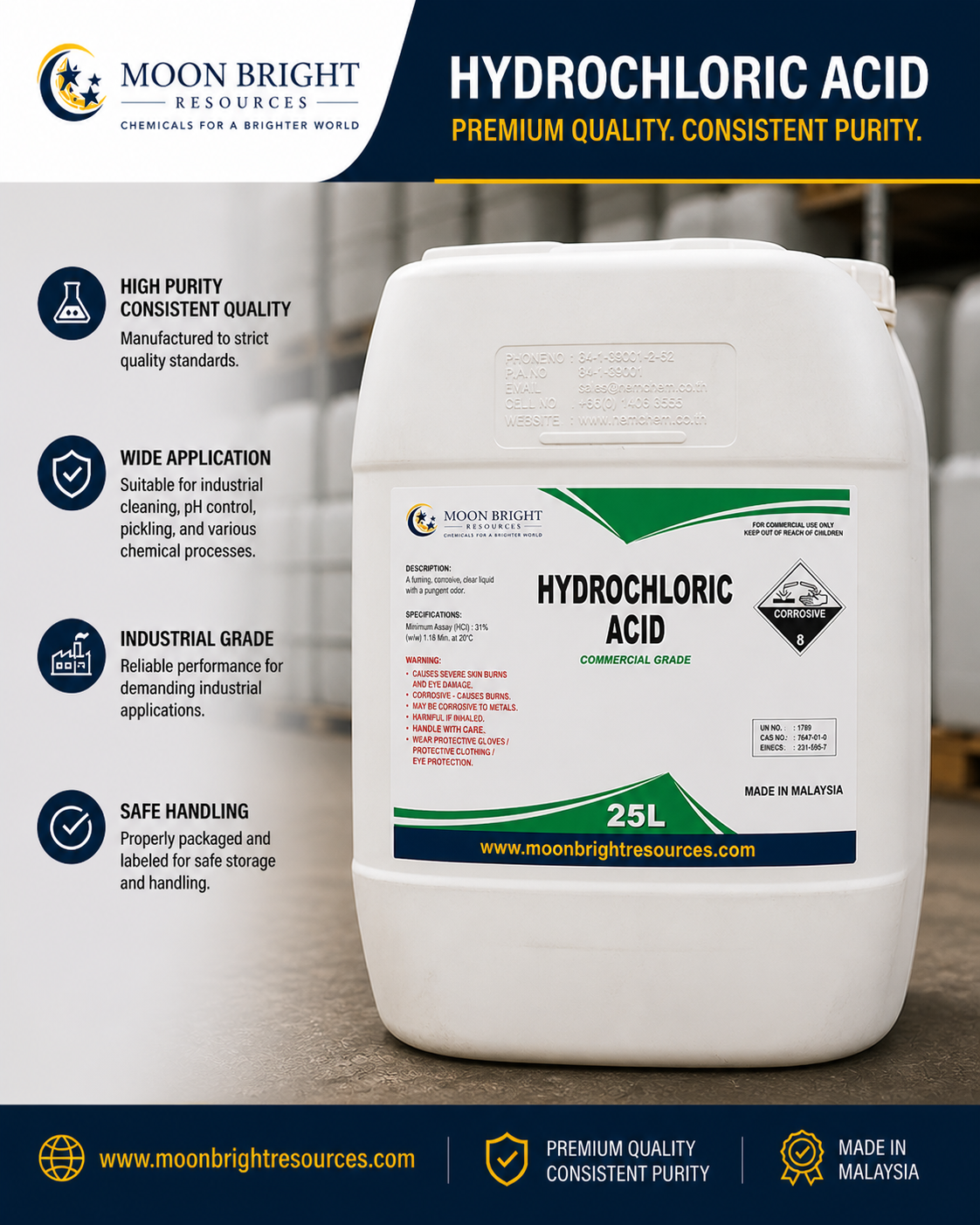
Hydrochloric Acid Price Fluctuations: Why Are Impacting the Sector?
Recent shifts in hydrochloric acid costs have spurred significant analysis across various applications. Several factors are currently fueling these swings. Basic costs, particularly associated with chlorine gas and H2 , have experienced substantial gains, directly affecting HCl production expenses . Furthermore, supply chain interruptions , stemming from global occurrences and specific restrictions, are compounding the scenario. Finally, fluctuations in need from key consuming fields like wastewater management and chemical processing play a vital part in affecting the overall industry condition.
- Input costs
- Logistical bottlenecks
- Demand from employing fields